

Where to Install a Shower Pump: Location and Clearance Requirements
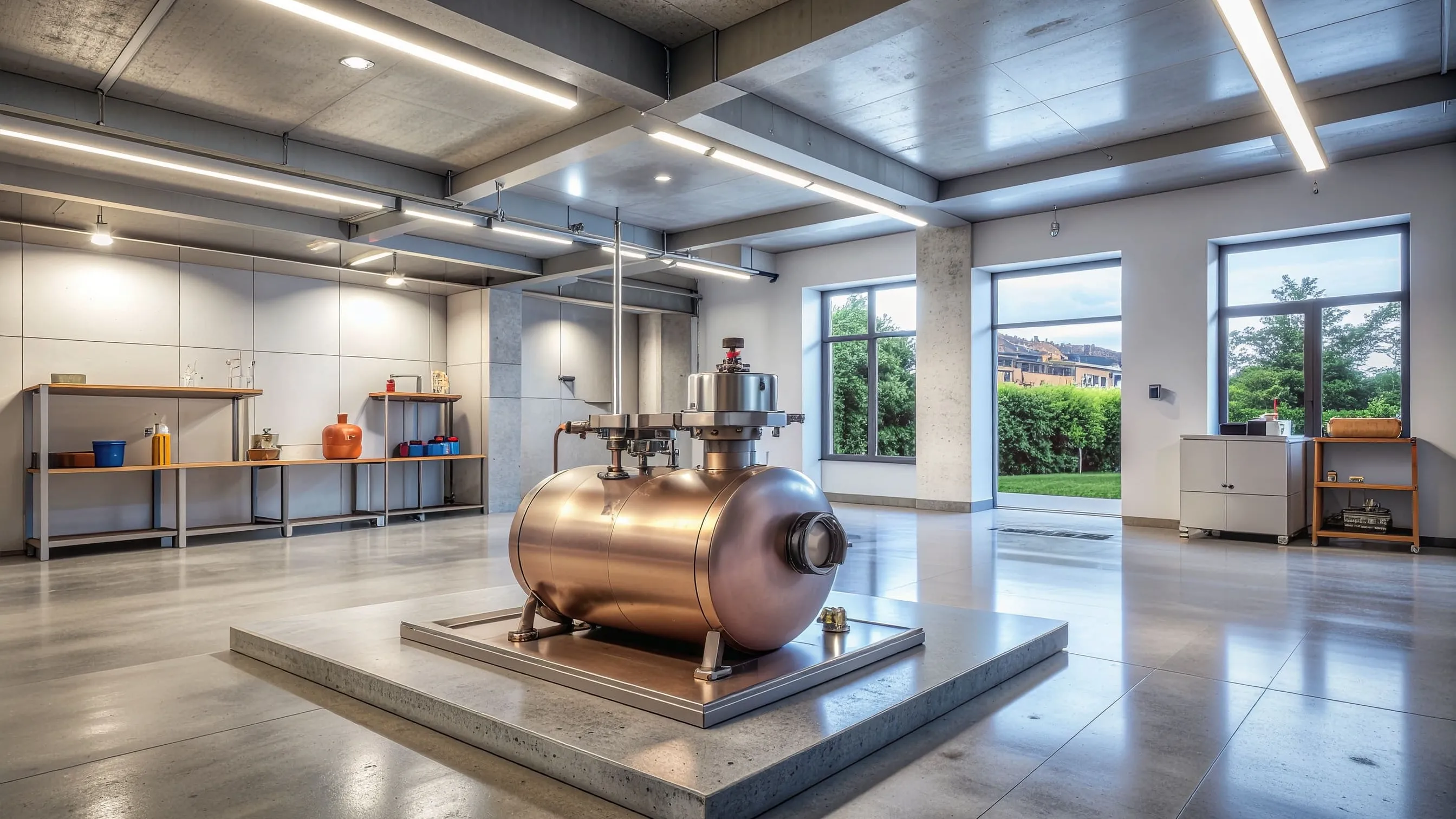
Buying a premium mechanical pump is only the very first step in upgrading your bathroom. Deciding exactly where to install a shower pump dictates how long the unit will actually survive. Incorrect physical placement destroys expensive equipment through overheating, air starvation, or massive mechanical vibration. You must select a location that perfectly satisfies strict hydraulic, electrical, and physical requirements.
Pump manufacturers routinely void warranties when investigating failed units installed in completely inappropriate locations. A pump is a heavy mechanical engine that requires specific environmental conditions to function safely. Understanding these strict physical requirements prevents you from making catastrophic installation errors. You must plan the exact physical footprint before you ever drain down your heating system.
Many homeowners underestimate the pure physical forces generated by a high-speed water pump. The location must support heavy vibration, provide adequate airflow, and remain completely safe from electrical hazards. Taking the time to evaluate your property for the optimal location guarantees your new equipment will deliver decades of flawless performance.
The Ideal Location: The Airing Cupboard
The base of your hot water cylinder represents the absolute optimal location for any standard gravity-fed pump. This airing cupboard position places the unit directly below the hot water source. This provides the crucial natural gravity pressure required to flood the pump impellers completely before activation.
Positioning the unit close to the cylinder dramatically reduces the length of your primary pipework. This minimises friction loss and guarantees maximum flow delivery directly to the pump inlets. Highly reliable Grundfos Energy Savers perform exceptionally well when placed precisely at the base of the hot cylinder.
You must never position a positive head pump higher than the hot water cylinder. Doing so completely eliminates the natural gravity flow required to push water into the pump chamber. The unit will simply run dry, overheat rapidly, and destroy its internal mechanical seals instantly.
The airing cupboard also typically offers existing structural support. A hot water cylinder is incredibly heavy when full, meaning the floor beneath it is usually highly reinforced. This existing reinforcement provides the perfect solid base required for heavy mechanical pump operation.
Minimum Clearance and Ventilation Requirements
A heavy mechanical motor generates massive amounts of thermal energy during a standard fifteen-minute shower. Without proper ventilation, this heat accumulates rapidly inside confined spaces. Deciding where to install a shower pump requires calculating adequate breathing room for the internal cooling fan.
Think of your pump motor exactly like a car radiator. If you block the airflow to the front of a car, the engine will overheat and seize. If you bury a pump under a pile of thick winter towels, the motor will suffer catastrophic thermal overload. The internal printed circuit boards will literally melt if the ambient temperature exceeds safe limits.
You must strictly provide at least 100mm of clear physical space around all sides of the unit. You also need a minimum 120mm clearance above the terminal box for safe electrical access. Premium Wilo Energy Savers feature internal thermal switches that shut the pump down automatically if these clearance rules are ignored.
If your airing cupboard is extremely tight, you may need to install louvered doors. Solid wooden doors trap heat inside the small space, pushing the ambient temperature to dangerous levels. Louvered slats allow cool air to enter the cupboard and hot exhaust air to escape naturally.
Essential Pipework Connections and Flanges
Location dictates exactly how your pipework interacts with the main hot water cylinder. You cannot simply cut into the existing vertical vent pipe to feed your new pump. The water near the top of the cylinder contains thousands of damaging microscopic air bubbles.
Drawing aerated water into a high-speed impeller causes severe cavitation. This physical phenomenon literally blasts tiny chunks of metal off the internal brass components. You must install a dedicated hot water connection directly into the cylinder to draw pure water safely.
You generally have two professional choices for this connection. A Surrey flange screws directly into the top domestic hot water draw-off connection. It features an internal pipe that drops slightly into the cylinder. This clever design prevents the pump from sucking the frothy, aerated water sitting at the very top.
An Essex flange requires much more invasive physical work. You must literally drill a large hole directly into the side of the copper cylinder. You fit this flange approximately a third of the way down from the top. Ensure you fit full-bore isolation valves from our Valve Component Range on all four connections.
Electrical Safety and Zoning Regulations
Water and high-voltage electricity create a lethal combination if managed incorrectly. You must strictly adhere to BS 7671 wiring regulations when selecting your final installation location. You cannot place a 230-volt mechanical pump directly inside wet bathroom zones safely.
BS 7671 defines specific electrical zones within any bathroom environment. Zone 1 covers the area directly above the bath or shower tray up to a height of 2.25 metres. You cannot place a standard mechanical pump here under any circumstances. Zone 2 extends 0.6 metres beyond the perimeter of the bath.
If you must install the unit inside a bathroom, it must sit entirely outside Zone 1 and Zone 2. It is usually placed safely underneath the bath behind a strictly secured, screw-fixed panel. Top-tier DAB Energy Savers demand a dedicated electrical supply fed from a 3-amp switched fused spur.
This fused isolation switch must reside completely outside the bathroom to prevent wet-hand operation. Ignoring these strict electrical zoning laws compromises your home insurance and endangers your family. Professional electricians always verify these physical clearances before signing off on any certification.
Anti-Vibration and Noise Reduction Practices
The physical mounting surface drastically affects the overall noise level of your installation. You must never suspend a pump from pipework or place it on a thin, unsupported wooden board. The heavy rotational force of the motor will transfer massive vibration directly into your floor joists.
Structure-borne noise travels directly through physical building materials. If you mount a pump directly onto exposed wooden floorboards, the entire ceiling cavity acts like a drum. This amplifies the motor noise massively throughout the house. A common professional trick involves placing a small, heavy concrete paving slab underneath the pump.
This dense concrete mass absorbs the mechanical vibration before it can enter the wooden structure. You must place the unit perfectly flat on this solid surface using dedicated anti-vibration mounting pads. Advanced Lowara Energy Savers utilise heavy-duty rubber feet to isolate this mechanical resonance.
You must also keep the flexible anti-vibration hoses completely straight. Bending these hoses at sharp angles creates internal water turbulence that generates severe audible noise. Keeping the hoses straight also prevents restrictive internal kinking that starves the pump of water.
Loft Installations and Negative Head Considerations
Sometimes an airing cupboard simply lacks the physical space required for a new installation. Placing the unit in the loft is possible, but it introduces severe environmental and hydraulic challenges. A loft installation frequently positions the shower head above the cold water storage tank base.
This arrangement instantly classifies your setup as a highly restrictive negative head system. The lack of natural gravity flow means standard flow switches will not operate. You must specify a negative head pump equipped with sensitive electronic pressure transducers.
The experts at National Pumps and Boilers consistently warn installers about the extreme temperature fluctuations found in modern lofts. During winter, unprotected loft pipework freezes rapidly. Expanding ice shatters expensive brass pump casings effortlessly, destroying the unit overnight.
If you choose a loft location, you must build a highly insulated, frost-proof enclosure around the entire unit. However, you cannot restrict the internal ventilation. During summer, the loft temperature can easily exceed 40°C, leading to thermal overload. You must guarantee the pump remains easily accessible for annual mechanical maintenance despite these enclosures.
Conclusion
Knowing exactly where to install a shower pump guarantees maximum performance and absolute mechanical safety. The airing cupboard base remains the safest and most efficient location for standard gravity-fed systems. Providing adequate ventilation clearance protects your expensive investment from catastrophic thermal overload.
Strict adherence to electrical zoning laws and proper pipework connection methods separates professional installations from dangerous DIY failures. Using dedicated Essex or Surrey flanges prevents air intake and cavitation completely. Solid mounting practices using acoustic mass eliminate irritating resonance through your home.
Whether you install your unit in an airing cupboard, under a bath, or in a carefully climate-controlled loft, planning is everything. If you require expert assistance planning your layout or verifying strict clearance regulations, Call for Product Advice today. Our dedicated M&E team can help you specify the safest and most efficient setup for your home.