

Why Air in Your Heating System Causes Noise and Poor Performance
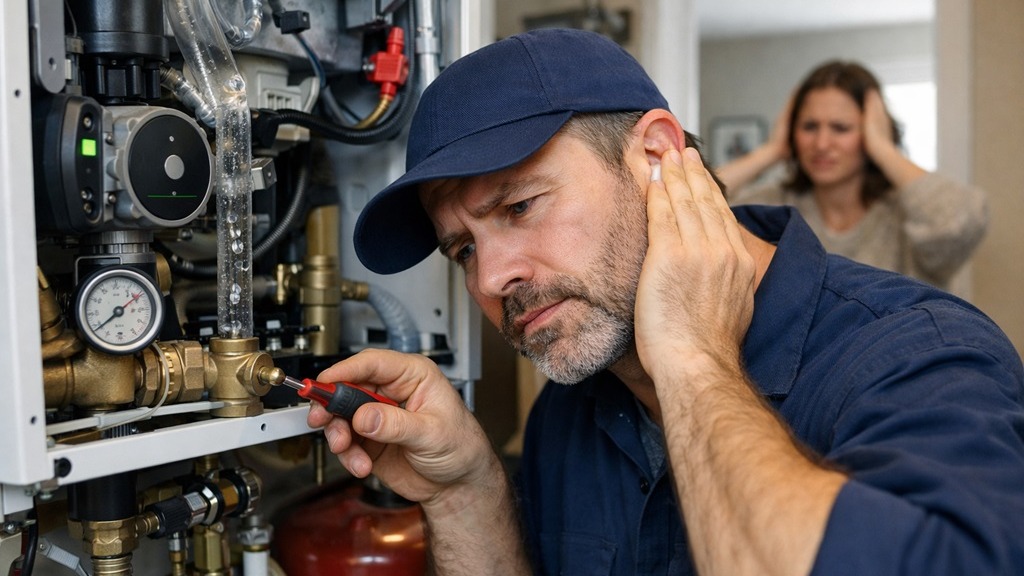
Commercial heating systems depend on uninterrupted water circulation to deliver heat effectively throughout buildings. When air enters these closed circuits, it disrupts normal operation and creates problems ranging from annoying noises to serious performance degradation. Understanding how air in heating system pipework causes these issues helps facilities managers recognise symptoms early and take appropriate corrective action.
The presence of air within heating circuits affects every aspect of system operation. Circulation becomes impaired, heat distribution suffers, and components experience abnormal operating conditions that accelerate wear. Addressing air accumulation promptly prevents the cascade of problems that develop when trapped air remains in the system over extended periods.
The Physics of Air in Closed Heating Systems
Sealed heating systems should theoretically contain only water after proper commissioning. However, air enters through multiple pathways during normal operation, accumulating over time to cause increasingly severe problems. Understanding these entry mechanisms helps identify why air problems persist despite repeated venting efforts.
Fresh water introduced through filling loops or automatic top-up systems carries dissolved air that releases as the water heats. Approximately 20 millilitres of air dissolve in every litre of cold water at atmospheric pressure. As system temperature rises, this dissolved air comes out of solution, forming bubbles that accumulate at high points throughout the installation.
Pressure fluctuations during normal operation draw air into the system through automatic air vents, pump seals, and valve glands. Each pressure drop below atmospheric allows small quantities of air to enter. Over weeks and months, these small ingress events accumulate into significant air volumes affecting system performance.
The trapped air circulation patterns within heating systems follow predictable physics. Air bubbles naturally migrate upward through the water column, collecting at high points in pipework, radiator tops, and equipment housings. Larger bubbles rise quickly, whilst smaller bubbles may remain entrained in flowing water, circulating throughout the system before eventually coalescing at collection points.
Quality circulation equipment from National Pumps and Boilers is designed to handle normal air levels, but excessive accumulation overwhelms even premium pumps and causes the problems described throughout this article.
How Air Causes System Noise
The most immediately noticeable symptom of air in heating system pipework is unusual noise. Different noise types indicate specific air-related problems, with sound characteristics providing diagnostic information about the nature and location of air accumulation.
Gurgling and Bubbling Sounds
Gurgling noises from radiators and pipework indicate air bubbles moving through the water flow. As water passes air pockets, it creates turbulent conditions that generate characteristic bubbling sounds. These noises may occur continuously during pump operation or intermittently as air pockets shift position within the system.
The intensity of gurgling sounds relates directly to air volume and flow velocity. Small air quantities produce occasional quiet bubbling, whilst significant accumulation creates persistent loud gurgling that building occupants find disturbing. Increasing noise levels over time indicate worsening air accumulation requiring attention.
Trapped air circulation through heat emitters produces distinctive sounds as bubbles pass through radiator waterways. The confined passages within panel radiators and convectors amplify these sounds, making radiator noise particularly noticeable even when pipework gurgling remains subtle.
Pipework routing affects noise transmission throughout buildings. Air bubbles passing through pipes running through occupied spaces create disturbance that pipe runs in service voids would not. Understanding noise transmission paths helps locate air accumulation points that may be remote from where sounds are heard.
Banging and Water Hammer Effects
More severe air accumulation causes banging and water hammer effects that can damage system components. Air pockets compress and expand rapidly under changing pressure conditions, creating hydraulic shocks that transmit through pipework as loud bangs or knocking sounds.
Water hammer occurs when flowing water suddenly stops or changes direction, compressing air pockets that then rebound violently. This phenomenon creates pressure spikes that stress pipe joints, valve seats, and equipment connections. Repeated water hammer events cause cumulative fatigue damage leading to eventual failure.
Air in heating system pump chambers causes cavitation, where collapsing air bubbles erode impeller surfaces and create distinctive crackling or rattling sounds. Pumps operating with significant air entrainment suffer accelerated wear that shortens service life and reduces hydraulic efficiency.
The relationship between air accumulation and noise severity provides diagnostic value. Occasional quiet gurgling suggests minor air presence requiring routine venting. Persistent banging or cavitation sounds indicate serious accumulation demanding immediate attention to prevent component damage.
Performance Problems From Air Accumulation
Beyond noise generation, air within heating circuits causes measurable performance degradation affecting heat delivery and energy consumption. These effects develop progressively as air accumulates, often going unnoticed until significant problems have developed.
Reduced Heat Distribution
Air pockets blocking radiator waterways prevent hot water reaching affected sections, creating cold spots that reduce heat output. A single large air pocket at a radiator top can reduce output by thirty percent or more, leaving rooms uncomfortably cold despite adequate boiler operation.
The trapped air circulation phenomenon affects system-wide heat distribution when air accumulates at critical points in the pipework network. Air locks in risers serving upper floors can completely prevent circulation to affected areas, whilst partial blockages create uneven heating throughout buildings.
Progressive air accumulation gradually reduces overall system performance. Facilities managers may not notice slow deterioration, compensating unconsciously by increasing thermostat settings or extending heating periods. Only when performance drops significantly below expectations do air problems receive attention.
Heat exchangers and plate heat exchangers prove particularly vulnerable to air accumulation effects. Air pockets within heat exchanger passages create insulating barriers that reduce heat transfer efficiency. Boilers may short-cycle as flow temperatures rise rapidly in air-blocked exchangers whilst system water remains cold.
Modern circulation pumps like those from Grundfos and Wilo incorporate features to handle air, but cannot overcome severe accumulation that fundamentally disrupts system hydraulics.
Pump and Boiler Efficiency Losses
Circulation pumps operating with air in the water stream suffer reduced hydraulic efficiency. Air reduces the effective density of the pumped fluid, lowering the pressure differential the pump generates. Flow rates drop even though the pump motor works at full power, wasting energy whilst delivering inadequate circulation.
Air entrainment causes pumps to operate in cavitation conditions that dramatically reduce efficiency. The energy that should move water instead goes into compressing and collapsing air bubbles, generating heat and noise rather than useful flow. Pump power consumption may increase whilst delivered flow decreases.
Boiler efficiency suffers when air in heating system circuits causes short-cycling. Air-blocked heat exchangers reach temperature limit rapidly, triggering burner shutdown before system water has absorbed adequate heat. Repeated start-stop cycles waste fuel during ignition phases whilst accelerating wear on burner components.
System-wide efficiency losses from air accumulation compound over time. The combination of reduced circulation, impaired heat transfer, and increased pump energy consumption creates operating costs substantially above properly deaerated systems. Annual efficiency penalties may reach ten to fifteen percent in severely affected installations.
Long-Term Consequences of Unaddressed Air
Ignoring air problems creates consequences extending beyond immediate performance impacts. Chronic air accumulation accelerates system deterioration, shortens component life, and ultimately increases maintenance and replacement costs.
Oxygen within trapped air attacks ferrous metal surfaces throughout the heating circuit. Unlike dissolved oxygen that can be scavenged by chemical treatment, air pockets continuously release fresh oxygen to sustain corrosive attack. Pipework, radiators, and pump housings corrode from within, generating rust debris that causes further problems.
Cavitation damage from air-entrained pump operation erodes impeller surfaces progressively. Each operating hour in cavitating conditions removes metal from impeller blades, reducing pump performance until eventual failure. Replacement pumps suffer the same fate unless air problems are resolved.
System reliability decreases as air-related stress accumulates. Components operating under abnormal conditions from air presence fail more frequently and less predictably than properly maintained equivalents. Emergency callouts and unplanned downtime become increasingly common in systems with chronic air problems.
The cost implications of ignoring air accumulation extend to premature equipment replacement. Boilers, pumps, and system components designed for twenty-year service lives may require replacement after ten years or less when operating with persistent air problems. Proper deaeration protects equipment investment and extends service life.
Properly specified expansion vessels help maintain system pressure conditions that minimise air ingress during normal operation. Correct expansion vessel sizing and charge pressure contribute to long-term air management.
Conclusion
Air in heating system circuits causes problems ranging from minor noise nuisance to serious performance degradation and accelerated component wear. Understanding the mechanisms behind these effects enables recognition of air-related symptoms before severe consequences develop.
The trapped air circulation patterns that create cold spots, generate noise, and reduce efficiency follow predictable physics that inform effective resolution strategies. Addressing air accumulation at source through proper deaeration prevents the progressive deterioration that chronic air presence causes.
Facilities managers observing noise, cold spots, or declining efficiency should investigate air accumulation as a probable cause. Early intervention prevents the cascade of problems that develop when air remains in systems over extended periods.
For expert guidance on air management solutions and quality heating equipment, contact the National Pumps and Boilers team for professional advice tailored to specific system requirements.