

Why Calorifier Temperature Settings Affect Both Safety and Energy Efficiency
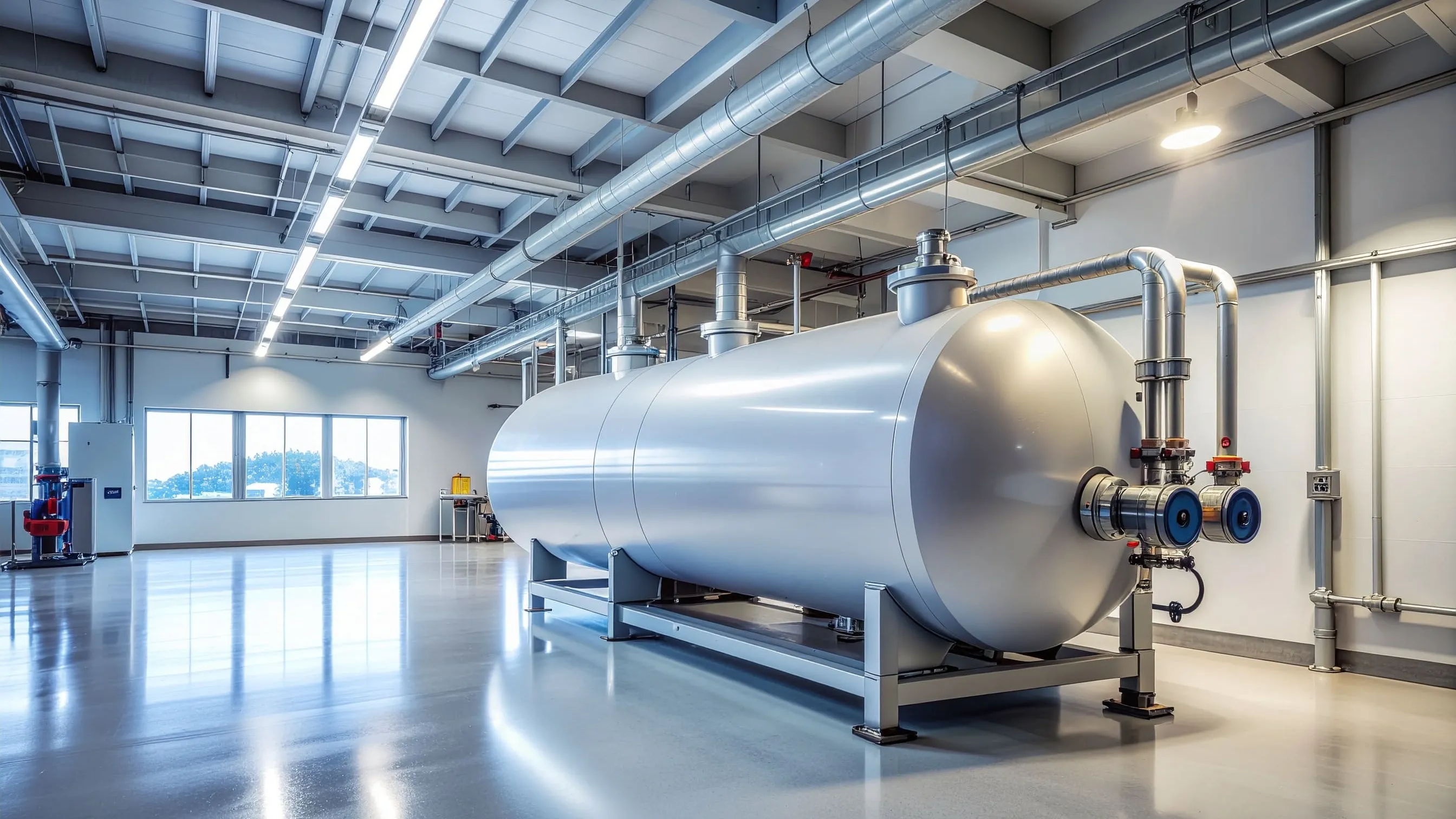
Calorifier temperature settings represent one of the absolute most critical decisions in commercial hot water system design. These specific settings directly influence both occupant safety and daily operational costs. Set your temperatures too low, and potentially fatal waterborne bacteria will multiply rapidly. Set them too high, and energy waste escalates massively while scalding risks increase dramatically. Understanding this strict balance requires deep technical knowledge of microbiological safety and thermodynamic principles.
The primary challenge facing heating engineers centres entirely on maintaining stored water at safe temperatures. You must achieve this thermal safety while minimising the massive energy penalty associated with higher heat. For massive commercial installations, the financial and safety implications of incorrect calorifier temperature settings compound significantly. The margin for error narrows considerably when considering mandatory health codes alongside strict building regulations.
The Critical Balance Between Legionella Control and Energy Use
Legionella pneumophila bacteria thrive perfectly in water temperatures sitting between 20°C and 45°C. Their absolute optimal growth occurs right around 37°C. This is exactly the temperature range that would otherwise offer excellent energy efficiency for a building. These dangerous bacteria colonise biofilm within pipework and storage vessels, creating a persistent and invisible contamination risk.
When building occupants inhale tiny water droplets containing Legionella pneumophila bacteria through showers or taps, the result is horrific. It can cause Legionnaires' disease, which is a severe pneumonia with incredibly high mortality rates. To combat this, the Health and Safety Executive guidance explicitly states mandatory temperature rules. Stored hot water must be maintained at a strict minimum of 60°C throughout the entire calorifier volume.
This requirement provides sufficient thermal kill to prevent dangerous bacterial multiplication safely. However, this strict legal requirement creates an entirely unavoidable daily energy demand for the building. Maintaining 60°C storage temperatures in a well-insulated commercial calorifier consumes significantly more energy than lower settings. Ensuring continuous primary circuit circulation using reliable Grundfos Stock Listed pumps maintains this vital temperature across the entire network securely.
How Temperature Stratification Impacts Calorifier Performance
Temperature stratification fundamentally affects both safety and efficiency in commercial calorifier operation. Stratification is the completely natural tendency for hotter water to rise and cooler water to sink. In an indirect calorifier with proper flow rates, this stratification creates very distinct internal temperature zones. The upper third typically maintains 65°C, but the bottom quarter may drop to 45°C during heavy recovery periods.
This thermal layering becomes incredibly problematic when lower zones remain below 60°C for extended periods. This directly compromises your hot water storage temperature compliance and creates a dangerous breeding ground for bacteria. Dead legs and completely stagnant water zones exacerbate these stratification issues massively. Calorifiers with inadequate internal baffling or poorly positioned coil arrangements allow dangerous cold water pockets to persist constantly.
From an efficiency perspective, excessive stratification wastes massive amounts of energy daily. It forces the primary heating circuit to deliver much higher flow temperatures than actually necessary. When only the upper calorifier section reaches the target temperature, the heating system compensates inefficiently. Using intelligent Valve Approved Products helps balance the system pressure to promote internal mixing safely.
British Standards Requirements for Calorifier Systems
British Standard BS 7206 establishes the exact legal specification for unvented hot water storage units. It strictly mandates temperature and pressure relief devices alongside highly accurate control thermostats. For calorifiers serving unvented systems, the standard requires storage temperatures between 60°C and 65°C securely. High-limit safety devices must also be physically present to prevent temperatures from ever exceeding 90°C.
Building Regulations Part G addresses sanitation, hot water safety, and water efficiency completely. Section G3 specifically requires that stored water reaches temperatures capable of controlling bacteria safely. Simultaneously, the distribution temperatures at the public outlets must not exceed 48°C. This necessitates the installation of highly precise thermostatic mixing valves on all distribution circuits.
Commercial installations face intense legal scrutiny under the Health and Safety at Work Act. This places strict responsibility on building operators to manage all waterborne risks proactively. This typically requires monthly temperature monitoring at specific sentinel outlets and quarterly calorifier verification. Upgrading to smart Wilo Stock Listed pump technology ensures flow rates satisfy these rigorous testing requirements smoothly.
Energy Losses Associated with Excessive Temperatures
Standing heat loss from large commercial calorifiers follows very straightforward thermodynamic principles. The greater the temperature differential between stored water and the ambient plant room, the higher the heat loss. A 300-litre calorifier in a cool room storing water at 60°C loses significant heat energy daily. If you increase the calorifier temperature settings to 70°C unnecessarily, your standing losses rise by roughly 33 percent.
The relationship between storage temperature and heat loss rates is absolutely not linear. This occurs because thermal radiation effects become much more significant at excessively high temperatures. For calorifiers operating above 70°C, radiative losses represent a massive portion of total standing heat loss. Annual energy cost implications for commercial buildings become substantial when multiple calorifiers operate continuously at these inflated temperatures.
A large commercial hotel maintaining three 500-litre calorifiers at 65°C rather than the compliant 60°C minimum wastes massive electricity. This translates to hundreds of pounds in completely unnecessary energy costs every single year. You must also insulate all secondary return pipework securely to trap the generated heat inside the system. Heavy-duty DAB Stock Listed commercial pumps help move this water efficiently before it loses thermal energy to the surrounding air.
The Role of Temperature Control Equipment
Thermostatic mixing valves serve two incredibly crucial purposes in modern commercial calorifier systems. They prevent severe scalding injuries while safely enabling higher storage temperatures for total bacterial control. These vital valves blend stored water at 65°C with cold feed to deliver exactly 48°C at the public outlets. This arrangement allows calorifiers to maintain bactericidal environments without endangering the building occupants whatsoever.
Primary circuit temperature management requires very careful control to optimise calorifier charging without excessive flow temperatures. Boiler systems feeding calorifiers benefit immensely from weather compensation and intelligent load-sensing controls. During periods of extremely low demand, primary flow temperatures can reduce slightly to cut heat losses. This improves your overall condensing boiler efficiency by several critical percentage points safely.
Control systems maintaining consistent storage temperatures throughout the entire calorifier volume address both safety and efficiency perfectly. Multi-sensor arrangements monitoring temperatures at upper, middle, and lower positions provide immense diagnostic value. Installing a premium Remeha Full Range commercial boiler provides the precise firing modulation required to match these complex demands perfectly. These advanced setups create flawless audit trails that prove your consistent hot water storage temperature compliance easily.
Optimising Calorifier Settings for Different Applications
Commercial buildings require temperature settings that balance exact occupancy patterns against strict safety requirements. Office buildings with standard eight-hour daytime occupancy can employ highly intelligent temperature cycling safely. They maintain 60°C during occupied hours but allow temperatures to drop slightly overnight to save energy. This strategy reduces standing losses significantly while remaining completely safe because the temperature reduction period is brief.
Healthcare facilities face the absolute strictest temperature requirements due to highly vulnerable patient populations. Hospital calorifiers typically maintain 65°C storage temperatures to provide an additional safety margin against Legionella pneumophila bacteria. Monthly thermal disinfection cycles raising temperatures to 75°C throughout the system eliminate any persistent biofilm bacteria safely. Heavy-duty Lowara Stock Listed pumps handle these extreme thermal pasteurisation conditions without suffering premature seal failure.
Industrial process applications often require specific temperatures for manufacturing, creating opportunities to align safety with production needs. Residential multi-dwelling installations present unique challenges where individual controls must work within centralised safety constraints. Heat recovery integration opportunities exist when calorifier systems operate alongside data centres or heavy refrigeration equipment.
Practical Temperature Management Strategies
Time-based temperature cycling offers excellent efficiency improvements for buildings with highly predictable occupancy patterns. Educational facilities can safely reduce temperatures during holiday periods lasting less than a week. This cuts standing losses by 30 percent while maintaining sufficient temperature to prevent bacterial growth completely. Longer closures absolutely require full thermal disinfection cycles before any temperature reduction occurs.
Regular temperature monitoring protocols form the solid foundation of effective calorifier management. Monthly checks at specific sentinel outlets verify that distribution temperatures remain completely safe for the public. Quarterly calorifier verification at multiple heights identifies severe stratification problems before they compromise safety. Annual descaling in hard water areas remains essential because limescale severely insulates heating coils.
Conclusion: Professional Temperature Management Strategies
Proper calorifier temperature settings represent a highly critical intersection of safety regulation and building energy efficiency. The strict non-negotiable 60°C minimum storage temperature creates an inherent energy demand that proper design must manage. Understanding thermal stratification, heat loss physics, and modern control equipment enables engineers to optimise every single installation safely.
The financial implications of poor temperature management extend far beyond your monthly commercial energy bills. Systems maintaining excessive temperatures waste massive energy and accelerate internal component degradation rapidly. Inadequate temperatures create totally unacceptable health risks and open your business to severe corporate liability. You must always deploy reliable thermostatic mixing valves to balance these competing operational requirements securely.
Professional assessment of your commercial hot water requirements must always precede any equipment selection or parameter adjustments. If you require expert guidance on calorifier specification and temperature control strategies, please Contact our Compliance Team today. Our experienced engineers will guarantee your system remains highly efficient and completely legally compliant.