

Why High-Efficiency Wet Side Circulators Are Essential for Heat Pump Systems
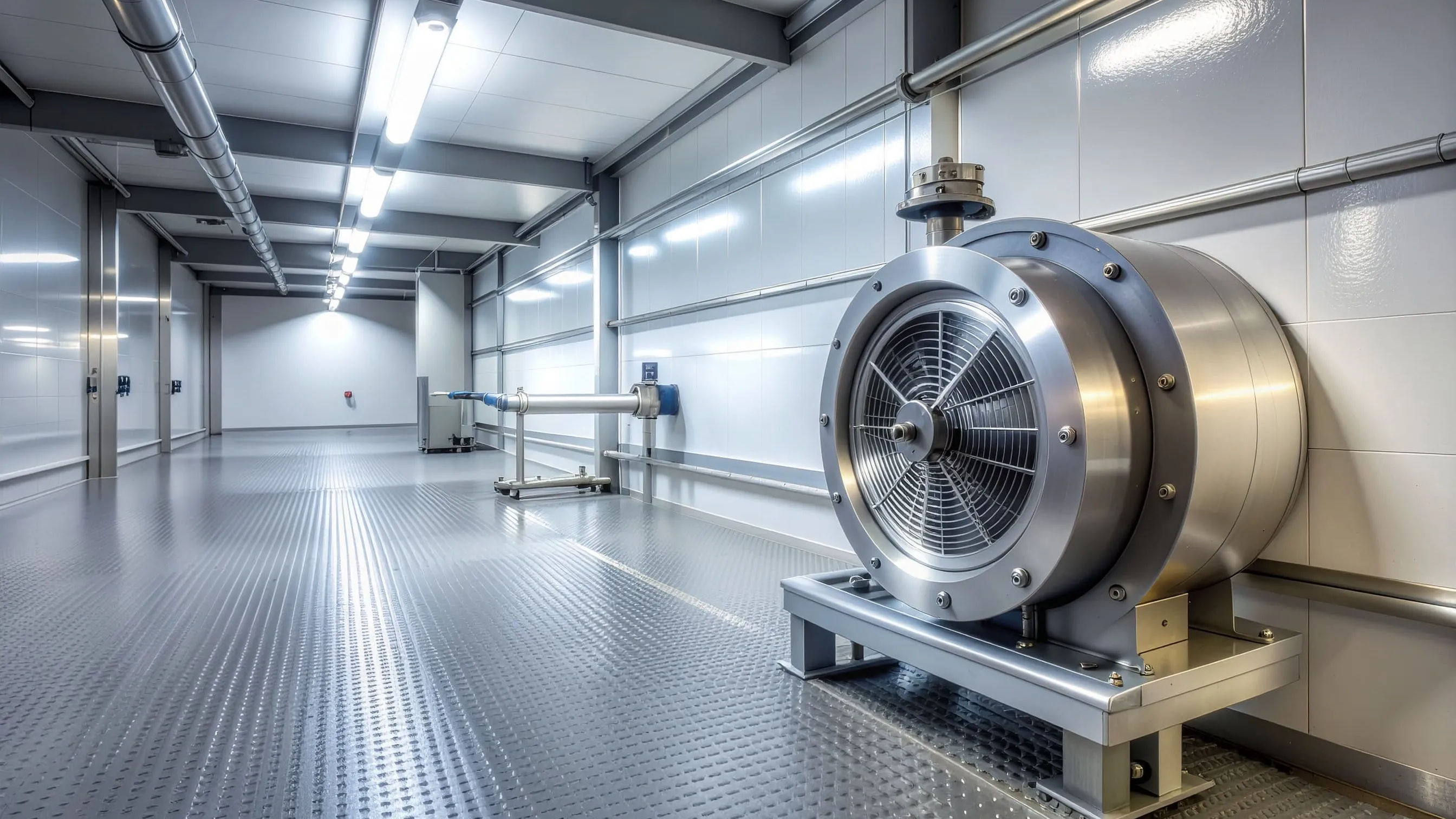
Heat pump installations now represent the fastest-growing segment of the UK heating market. Yet many systems fail to achieve their projected efficiency ratings entirely. The high efficiency circulator heat pump performance depends on is often treated as a complete afterthought during installation.
A poorly specified pump can increase electricity consumption by 30% whilst simultaneously reducing heat output. This lower temperature differential means heat pump systems require significantly higher flow rates to deliver equivalent heat. You must specify the correct equipment to maintain optimal performance and prevent massive energy waste.
The Unique Demands Heat Pumps Place on Circulator Systems
Traditional heating circulators were designed for intermittent boiler operation. Heat pumps operate differently to maximise their efficiency. They run at lower outputs for longer periods, often cycling 12 to 16 hours daily. This extended runtime multiplies the impact of poor pump selection.
Using a quality wet rotor circulator solves many of these mechanical demands quietly and efficiently. Think of a circulator in a heat pump system exactly like the heart in the human body. If the heart struggles to pump blood efficiently, the entire body suffers fatigue, just as poor water circulation cripples the heat pump's overall efficiency.
Experts at National Pumps and Boilers understand this relationship perfectly. When a circulator fails to maintain design flow rates, the heat pump experiences a reduced delta-T across the heat exchanger. This forces the compressor to work harder and dramatically reduces the seasonal performance factor.
How High-Efficiency Circulators Reduce Overall Energy Consumption
The Energy Efficiency Index provides a standardised metric for comparing circulator performance. Modern setups demand EEI ratings of 0.20 or lower. Specifying a reliable wet rotor circulator with an excellent EEI rating reduces your pump energy consumption by up to 50% instantly.
These savings extend far beyond the pump itself. Better circulation allows the heat pump to operate at lower condensing temperatures. Upgrading your basic heating system components ensures the entire mechanical network operates smoothly alongside the heat generator.
The financial implications become staggering over a 15-year lifespan. If poor circulation reduces your system efficiency by 10%, that represents massive unnecessary operating costs. Using a circulator equipped with a permanent magnet motor eliminates this wasted energy completely.
Variable Speed Technology and Heat Pump Compatibility
Fixed-speed circulators represent completely obsolete technology for modern heat pump applications. Modulating systems demand variable speed pumps that adapt to changing system requirements instantly. A smart wet rotor circulator adjusts its output to match the heat pump's exact thermal demand.
Many installers ask how does a grundfos pump work to maintain these precise temperature differentials. The answer lies in intelligent algorithms that target a specific temperature drop. This ensures efficient heat transfer whilst preventing excessive flow rates.
A commercial installer recently fitted standard fixed-speed pumps on a new 12kW air source setup. Within a month, the client complained of massive electricity bills and continuous short-cycling. Swapping the units out for pumps using a dedicated PWM control signal resolved the hydraulic bottleneck and stopped the short-cycling completely.
Oversizing Risks and the Importance of Proper Circulator Selection
The traditional approach of sizing up for safety proves counterproductive today. Oversized pumps waste energy through excessive flow rates and operate at inefficient performance curves. Selecting an intelligent Armstrong circulator prevents these wasteful oversizing errors easily.
High flow velocities through heat pump heat exchangers reduce the temperature differential. This forces the compressor to work much harder whilst delivering less useful heat. Proper specification requires accurate heat loss calculations to ensure the high efficiency circulator heat pump sizing is perfectly matched.
Technical documentation always emphasises matching circulator head pressure to actual system resistance. Specifying pumps with 6 metres of available head for a system needing only 2 metres is a massive mistake. A modern permanent magnet motor will simply waste electricity if forced to push against this unnecessary resistance.
Key Technical Specifications for Heat Pump Circulators
Head pressure requirements for heat pump systems differ fundamentally from conventional boiler installations. Accurate system design must account for pipe sizing, fitting resistance, and emitter pressure drops. Using the correct isolation valve for pump installations ensures maintenance doesn't introduce massive flow restrictions.
Flow rate calculations must reflect actual heat delivery requirements at lower temperatures. A 6kW heat output with a 7°C delta-T yields approximately 12.3 litres per minute. An advanced circulator using a reliable PWM control signal modulates perfectly to hit this exact volumetric target.
Noise considerations become paramount in residential heat pump systems. A circulator generating 45dB becomes highly intrusive in a modern dwelling. High-efficiency models achieve noise levels below 40dB through precision engineering and advanced motor design.
Integration with System Controls and Building Management
Modern heat pump installations increasingly incorporate sophisticated controls that optimise performance. High-efficiency circulators must integrate seamlessly with weather compensation and occupancy patterns. A simple PWM control signal provides basic modulation, whilst 0-10V analogue signals enable highly proportional speed adjustments.
Communication protocols extend capabilities far beyond simple speed control. Integrating a reliable BACnet communication module allows building management systems to monitor pump status constantly. This data tracks energy consumption and flags fault conditions before they cause catastrophic system failures.
The diagnostic capabilities of modern circulators transform maintenance practices completely. Rather than waiting for complete failure, systems can alert installers to developing issues. Even commercial plant rooms requiring an Ebara submersible for deep drainage can link to the same central monitoring platform.
Specification Considerations for Different Heat Pump Applications
Air source heat pump installations serving radiator systems present different requirements than ground source underfloor heating. Air source units typically operate with higher flow temperatures and greater temperature differentials. This requires moderate flow rates matched to specific head pressures.
Domestic hot water production through heat pumps places specific demands on your circulation setup. The circulator must deliver sufficient flow to achieve effective heat transfer at lower temperatures. Specifying a dedicated DHW pump suited to cylinder charging is absolutely critical for rapid recovery times.
Long-Term Performance and Maintenance Considerations
High-efficiency circulators demonstrate superior reliability alongside their impressive energy savings. A robust permanent magnet motor eliminates the brushes and commutators that wear down in conventional designs. Modern circulators easily achieve 15-year service lives in properly maintained systems.
Maintenance requirements remain minimal but should never be neglected. Knowing proper lowara pump troubleshooting techniques helps identify bearing wear or electrical faults early. You should always verify that power consumption aligns with the originally commissioned values.
Glycol antifreeze used in some heat pump systems heavily affects circulator performance. Glycol mixtures increase fluid viscosity, requiring pumps to generate higher head pressures. A premium high efficiency circulator heat pump model provides the necessary torque to overcome this thickened fluid safely.
Adding a robust BACnet communication module ensures these long-term performance metrics are tracked reliably. If the glycol mixture begins dragging the motor down, the BACnet communication module flags the increased electrical draw immediately.
Conclusion
High-efficiency wet side circulators represent essential components rather than optional upgrades in modern installations. The extended operating hours and tight efficiency margins mean your pump selection directly impacts running costs. Upgrading to a variable speed circulator reduces total electricity consumption significantly.
The specification process must always account for lower flow temperatures and modulating outputs. The high efficiency circulator heat pump connection serves as the beating heart of your entire low-carbon heating network. Professional installers must always prioritise these critical hydraulic calculations.
If you need expert guidance on specifying the correct circulator for your next installation, Check Compatibility with our technical team today.