

Why Low-Temperature Heating Systems Require Different Pump Specifications
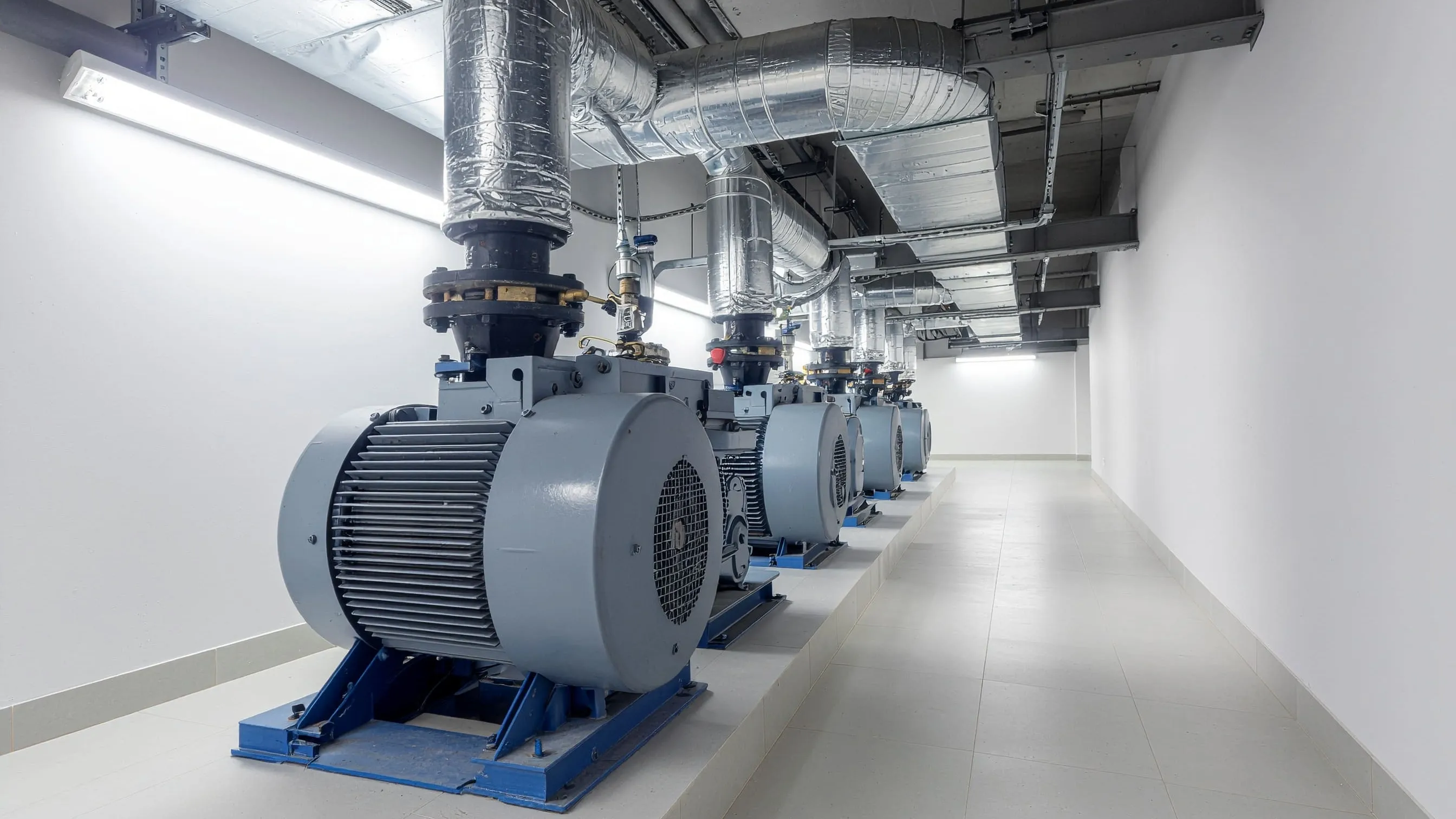
Low-temperature heating systems have fundamentally altered the engineering calculations that determine proper pump selection. Traditional heating systems operate at flow temperatures between 70°C and 80°C. Modern low-temperature heating pump specifications must accommodate 35°C to 55°C. This difference transforms every aspect of pump selection, from head pressure requirements to motor efficiency ratings.
The physics behind this shift centres on a simple principle. Lower temperature differentials require higher flow rates to deliver equivalent heat output. A radiator receiving 70°C flow water with a 20°C temperature drop delivers the exact same thermal energy as a low-temperature emitter operating at 45°C. However, the latter requires significantly greater water volume. This fundamental shift cascades through every element of system design and must be understood before any components are purchased.
What Defines a Low-Temperature Heating System
Low-temperature heating encompasses any system designed to operate with flow temperatures below 55°C. These setups have become standard in new-build properties. They easily meet current Building Regulations Part L requirements. Suppliers like National Pumps and Boilers frequently specify these systems for properties incorporating heat pumps or condensing boilers optimised for maximum efficiency.
Underfloor heating represents the most common low-temperature application, typically operating at 35°C to 45°C flow temperatures. However, modern oversized radiator systems increasingly utilise low-temperature operation. This maximises condensing remeha boilers efficiency and enables heat pump compatibility. British Standard BS EN 12831 provides the calculation methodology for heat loss in buildings. Yet, defining low-temperature heating pump specifications requires additional considerations beyond standard heat loss calculations.
The temperature differential, or delta-T, in low-temperature systems typically ranges from 5°C to 10°C. This compares to 15°C to 20°C in traditional systems. This reduced differential directly impacts the volumetric flow rate required. Getting this calculation right is the first crucial step in meeting system requirements correctly.
How Temperature Affects Pump Performance
Water viscosity decreases as temperature rises, affecting the hydraulic resistance throughout the system. At 40°C, water flows more freely than at 20°C. This reduces the head pressure required to overcome pipe friction. However, this viscosity advantage becomes negligible compared to the increased flow rate demands of low-temperature systems.
Think of pushing water through a low-temperature heating system like driving a large truck in a low gear. You don't need to go extremely fast, but you need a massive amount of consistent torque to move the heavy load smoothly. If the engine lacks power, the entire process stalls. Similarly, if the pump can't handle the continuous volume, the system simply fails to heat the building.
The relationship between flow rate and heat output follows a strict equation. Heat output equals flow rate multiplied by specific heat capacity and temperature differential. A 10kW heat requirement with a 20°C delta-T requires 0.12 litres per second flow rate. The same heat output from a system with a 7°C delta-T demands 0.34 litres per second. This is nearly three times the volumetric flow.
This increased flow requirement doesn't simply mean selecting a larger pump. The entire system resistance curve changes. This affects exactly which point on the pump performance curve the system will operate. The pump must be selected to match actual operating conditions to ensure low-temperature heating pump specifications are met reliably.
Critical Differences for Low-Temperature Pumps
Head pressure requirements in low-temperature systems often surprise engineers familiar with traditional sizing methods. Despite lower operating temperatures, the increased flow rates generate higher velocities through pipework. This substantially increases frictional resistance. A properly designed low-temperature system maintains flow velocities below 1.5 metres per second to minimise noise and erosion.
Variable speed capability transitions from optional to essential in low-temperature applications. Fixed-speed pumps waste significant energy when system demand varies. This inefficiency multiplies in low-temperature systems due to extended operating hours. A heat pump system might operate 12 to 16 hours daily during winter, placing heavy continuous demands on any grundfos central heating pump.
Motor efficiency ratings take on far greater significance when pumps operate continuously at lower loads. A pump with a high ECM motor efficiency rating consumes half the energy of an older unit over equivalent operating hours. For systems running over 200 days annually, this ECM motor efficiency translates to substantial operational cost savings. Products like the Wilo Stratos range exemplify modern pump design optimised for these exact parameters.
Material Considerations for Extended Operating Hours
Bearing assemblies in low-temperature system pumps endure significantly more operating hours than traditional heating pumps. A standard ceramic bearing might offer a 30,000-hour service life. In a system operating 4,000 hours annually, this represents just seven to eight years. Pumps specified for low-temperature applications should feature permanently lubricated bearings rated for at least 40,000 hours of continuous operation.
A local plumbing contractor recently installed standard circulators on a large underfloor heating manifold in a residential care home. Within two years, both pumps failed entirely due to continuous running wear. Upgrading the units to models featuring silicon carbide mechanical seals immediately solved the durability issue and prevented further emergency callouts.
Seal materials must withstand prolonged exposure to heated water without degradation. EPDM seals perform adequately in traditional systems with intermittent operation. However, continuous running in low-temperature systems rapidly accelerates wear. Specifying silicon carbide mechanical seals provides superior longevity. It represents a very smart investment for systems designed for a 15 to 20-year operational life.
Corrosion resistance extends beyond the obvious wetted components. Central heating systems operating at lower temperatures maintain dissolved oxygen levels more readily than high-temperature systems. This potentially accelerates corrosion in inadequately protected components. Quality heating pump valves made from dezincification-resistant brass help combat this specific issue.
Energy Efficiency Standards and ErP Compliance
The Energy-related Products Directive establishes strict minimum efficiency standards for circulators. However, these benchmarks assume specific, controlled operating conditions. A pump achieving an excellent rating under test conditions might perform significantly worse in a poorly designed low-temperature system. It must operate on its optimal curve to save energy.
Seasonal efficiency calculations matter much more than peak performance ratings. A pump operating at 40% capacity for 70% of the heating season wastes energy if its efficiency drops at part load. Advanced ECM motor efficiency ensures performance is maintained across a much broader operating range. This prevents wasteful electrical consumption during the milder shoulder seasons.
Properly configured differential pressure control is absolutely vital here. A pump using intelligent differential pressure control automatically reduces its speed when zone valves close. This prevents the pump from pushing against dead head pressure. Maintaining optimal differential pressure control ensures the system complies with both Building Regulations and best practice guidelines.
Sizing Methodology for Low-Temperature Systems
Delta-T calculations form the very foundation of proper pump sizing. Yet, many engineers still mistakenly apply traditional 20°C differentials to low-temperature systems. A system optimised for 35°C flow and 28°C return operates with a 7°C delta-T. It's fundamentally different from conventional calculations and demands specific low-temperature heating pump specifications.
Oversizing risks multiply in low-temperature applications. An oversized pump in a low-temperature system creates excessive flow rates that prevent proper heat transfer. Underfloor heating circuits require specific flow rates to maintain even temperature distribution. Excessive flow prevents adequate heat transfer to the floor surface, while insufficient flow creates hot and cold zones. Selecting a highly adaptive model like the Stratos PICO circulator prevents these balancing nightmares.
System resistance curves must always account for actual installed conditions. A 100-metre underfloor heating circuit installed in 16mm barrier pipe exhibits completely different resistance characteristics than 20mm pipe. If hot water needs routing to remote fixtures, point-of-use andrews water heaters often complement these primary distribution networks perfectly.
Control Integration Requirements
Low-temperature systems demand sophisticated pump control far beyond simple on/off operation. Weather compensation systems constantly adjust flow temperatures based on outdoor conditions. This requires pumps that respond quickly to variable speed signals. A pump receiving PWM control signals must translate these into proportional flow adjustments without hunting or instability.
Building Management System integration has transitioned from a luxury to an absolute necessity in commercial low-temperature installations. BACnet or Modbus communication protocols allow centralised monitoring of pump performance and fault conditions. Whether you install a large commercial unit or a residential booster pump, control compatibility dictates the overall success of the setup.
Advanced circulators use sophisticated internal sensors to monitor system changes. A model like the Stratos PICO circulator provides real-time feedback and automatic adjustment. When you combine the Stratos PICO circulator with smart controls, you eliminate the flow rate fluctuations that compromise both comfort and efficiency.
Common Specification Mistakes to Avoid
Applying traditional sizing methods to low-temperature systems represents the most frequent specification error. Software tools designed for conventional heating calculations produce inaccurate results when applied to low-temperature setups. The 12°C delta-T commonly used for radiator systems bears absolutely no relation to the 5°C to 7°C differential typical in heat pump installations.
Ignoring extended operating hours when evaluating pump costs creates massive false economies. A cheaper pump might consume 50 watts more power, costing an additional £70 annually in electricity. Over a 15-year service life, this represents over £1,000 in unnecessary operating costs.
Overlooking part-load performance ignores the reality that heating systems rarely operate at peak capacity. A pump might achieve impressive efficiency at full flow. However, if system demand requires 40% capacity for 80% of operating hours, part-load efficiency determines actual energy consumption. Understanding accurate low-temperature heating pump specifications at partial load is essential for success.
Conclusion
Low-temperature heating systems require fundamentally different hydraulic calculations than traditional installations. The combination of reduced temperature differentials, increased flow rates, and extended operating hours demands very careful specification. You can't rely on conventional sizing methods or old rules of thumb to get this right.
Proper specification considers head pressure requirements calculated from realistic system resistance. It requires flow rates derived from actual delta-T values, robust silicon carbide mechanical seals, and intelligent differential pressure control. Material specifications must reflect extended operating hours to ensure the system lasts its projected lifespan.
The shift towards low-temperature heating makes these considerations relevant across all residential and commercial installations. If you need assistance verifying your sizing calculations or require expert guidance on component selection, Get Expert Advice from our technical team today.