

Why Proper Pipework Insulation is Critical for Commercial Heating Efficiency
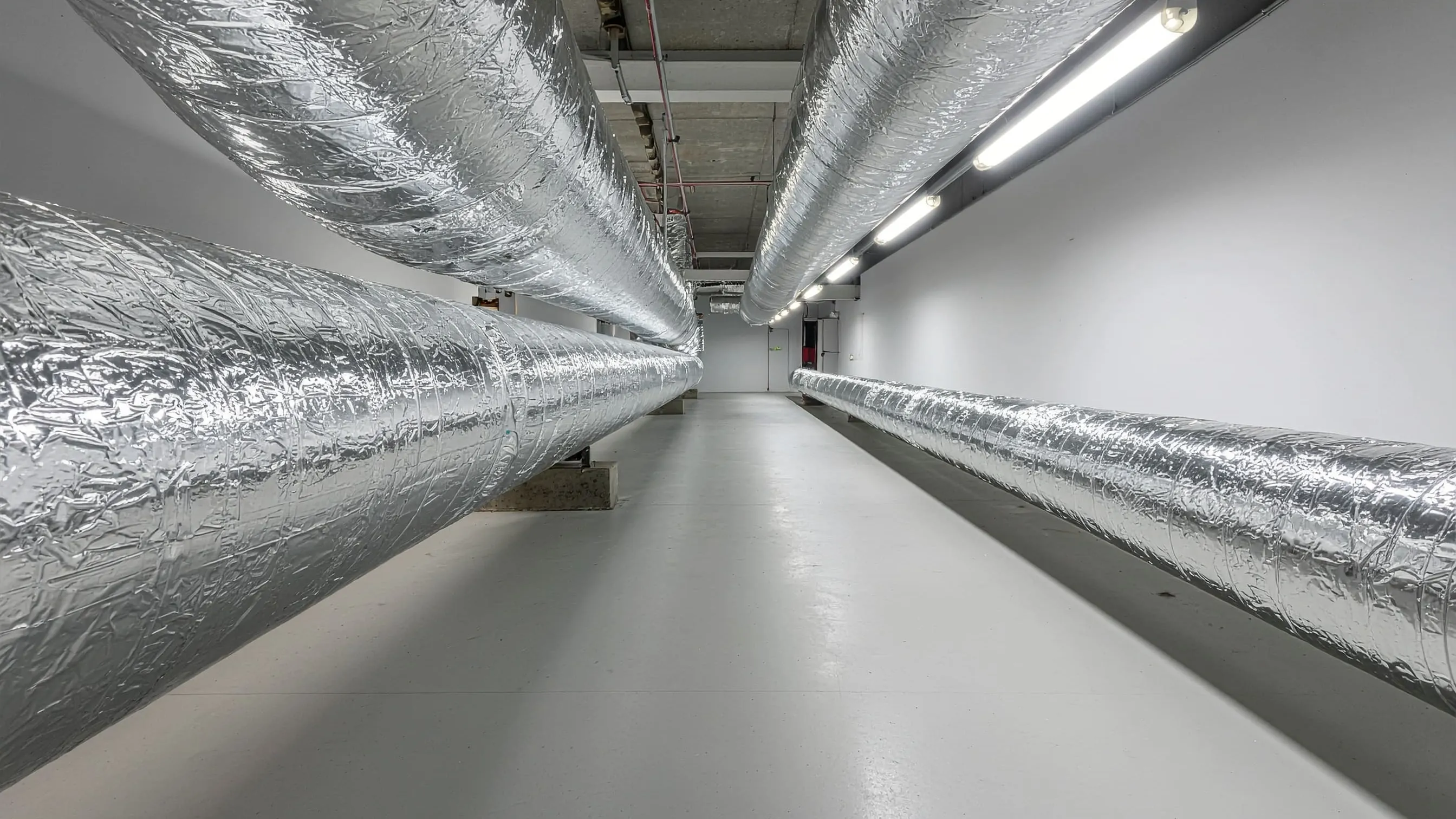
Commercial heating networks transport boiling water across vast distances. If those primary pipes are left exposed, they bleed thermal energy into the surrounding air long before the heat reaches its intended destination. Understanding commercial pipework insulation efficiency is absolutely vital for any facility manager looking to slash utility bills. Upgrading your lagging isn't just a cosmetic improvement for the plant room. It is a fundamental engineering requirement that heavily protects your budget and your mechanical assets.
The Physics of Unwanted Heat Transfer
Heat naturally moves from hot surfaces to colder environments. Pumping boiling water through uninsulated steel pipes is like carrying water in a bucket with dozens of holes. You lose half your payload before you even reach the end of the garden. A proper heat loss calculation proves that bare pipes radiate massive amounts of thermal energy continuously.
National Pumps and Boilers regularly advises clients that capturing this lost heat is the absolute fastest way to reduce operational costs. Every material possesses a specific thermal conductivity coefficient. This strict metric determines exactly how fast heat escapes through the physical pipe wall into the surrounding atmosphere.
Material Selection for Maximum Retention
Not all insulation materials perform equally in heavy commercial environments. Standard foam tubes might suit a small domestic radiator, but heavy commercial plant requires incredibly robust specification. Specifying high-density phenolic foam pipe insulation provides unparalleled thermal resistance in a remarkably thin profile.
This specific material is completely closed-cell, making it highly effective for both heating and chilled water lines. When comparing products, a lower thermal conductivity coefficient always indicates superior insulating performance. When you procure your heating pump supplies, you must ensure the lagging material matches the operating temperature of the system perfectly. Some facilities prefer traditional mineral wool, but it requires rigid foil-faced pipe lagging to protect it from atmospheric moisture.
Protecting Delicate Mechanical Assets
Bare pipes do not just waste expensive fuel. They turn confined plant rooms into suffocating ovens. When boiler rooms exceed safe ambient temperatures, the electronic control panels begin to fail. Improving your commercial pipework insulation efficiency actively protects the delicate electronics running your entire facility.
Modern variable speed drives rely on internal cooling fans to prevent overheating. If you recently installed new heating system components, exposing them to 40-degree radiant heat will destroy their circuit boards prematurely. Proper lagging keeps the aggressive heat inside the pipe exactly where it belongs.
Real-World Financial Consequences
A facilities manager at a large regional hospital recently noticed their gas bills skyrocketing during mid-winter. They conducted a detailed heat loss calculation across the massive basement pipework network. The survey revealed that over three hundred metres of primary heating headers were completely uninsulated.
The radiant heat loss was so severe that the basement required mechanical cooling just to keep the maintenance staff safe. After wrapping the pipes, the boilers fired 20 percent less frequently, saving thousands of pounds within months. If your facility runs an array of remeha boilers, you must ensure their generated heat actually reaches the radiators. A secondary heat loss calculation after the upgrade proved the investment paid for itself in under a single year.
Specifying the Correct Thickness
Choosing the right thickness is just as critical as choosing the right base material. Engineers calculate the required thickness based on the exact pipe diameter and the surrounding ambient temperature. A low thermal conductivity coefficient means you can use thinner lagging to achieve the exact same regulatory result.
If you are insulating the pipework around a massive grundfos central heating pump, the insulation must meet strict BS 5970 standards. Thicker insulation heavily reduces heat loss, but it must still allow unhindered maintenance access to the pump flanges. When specifying phenolic foam pipe insulation, engineers consult strict regulatory tables to match the thickness to the exact fluid temperature.
Vapour Barriers and Moisture Protection
Commercial pipework often faces severe moisture challenges. If water vapour penetrates the insulation, it ruins the thermal properties completely. This is exactly why engineers specify rigid foil-faced pipe lagging for heavy plant applications.
The outer foil layer acts as a permanent, impenetrable vapour barrier. It stops ambient moisture from reaching the cold steel underneath. If a building services pump pushes chilled water through the network, using high-grade phenolic foam pipe insulation prevents dangerous interstitial condensation from rotting the pipes from the inside out.
The Final Visual and Mechanical Finish
Plant rooms are harsh, busy mechanical environments. Insulation requires serious physical protection from impacts, ladders, and heavy maintenance tools. Covering your foil-faced pipe lagging with an aluminium cladding jacket provides ultimate mechanical defence.
This metal cladding prevents accidental tears and punctures while creating a highly professional, hygienic finish. A pristine plant room layout demonstrates elite commercial pipework insulation efficiency. It visually proves that the facility manager takes total operational efficiency incredibly seriously.
The Impact on Environmental Compliance
The UK government places strict energy targets on all commercial buildings. Building Regulations Part L demands high levels of energy efficiency across all non-domestic premises. Failing to insulate your pipework properly leads to immediate compliance failures during strict energy assessments.
Facilities managers must present documented evidence that their insulation meets the required thermal thresholds. Using materials with a verified thermal conductivity coefficient ensures you pass these rigorous environmental audits without issue. Furthermore, proper insulation drastically reduces the carbon footprint of your facility. When your boilers fire less frequently, your overall emissions drop significantly.
Insulating Complex Valves and Flanges
Long, straight pipework runs are relatively easy to insulate. However, the complex mechanical components are frequently ignored. Leaving massive isolation valves and strainers bare creates severe thermal bridging. Heat escapes rapidly through these exposed metal surfaces, bypassing your expensive pipe insulation completely.
Engineers use bespoke thermal jackets to cover these awkward shapes. These removable jackets strap tightly around the brass and steel fittings using industrial velcro. They allow immediate access for maintenance staff while maintaining absolute thermal integrity. A complete insulation strategy leaves absolutely no hot metal exposed to the ambient air.
Conclusion
Proper pipework insulation is the most reliable, cost-effective energy upgrade you can perform. It pays for itself rapidly through drastically slashed utility bills. Achieving maximum commercial pipework insulation efficiency extends the life of your electronic components by entirely eliminating extreme plant room temperatures.
You must rely on precise mathematical calculations to choose the correct materials and thicknesses for your specific site. If your plant room is dangerously hot or your energy bills are unmanageable, Speak to a Pump & Boiler Specialist today to discuss your next efficiency upgrade.