

Why Submersible Pumps Fail: Common Faults and How to Prevent Them
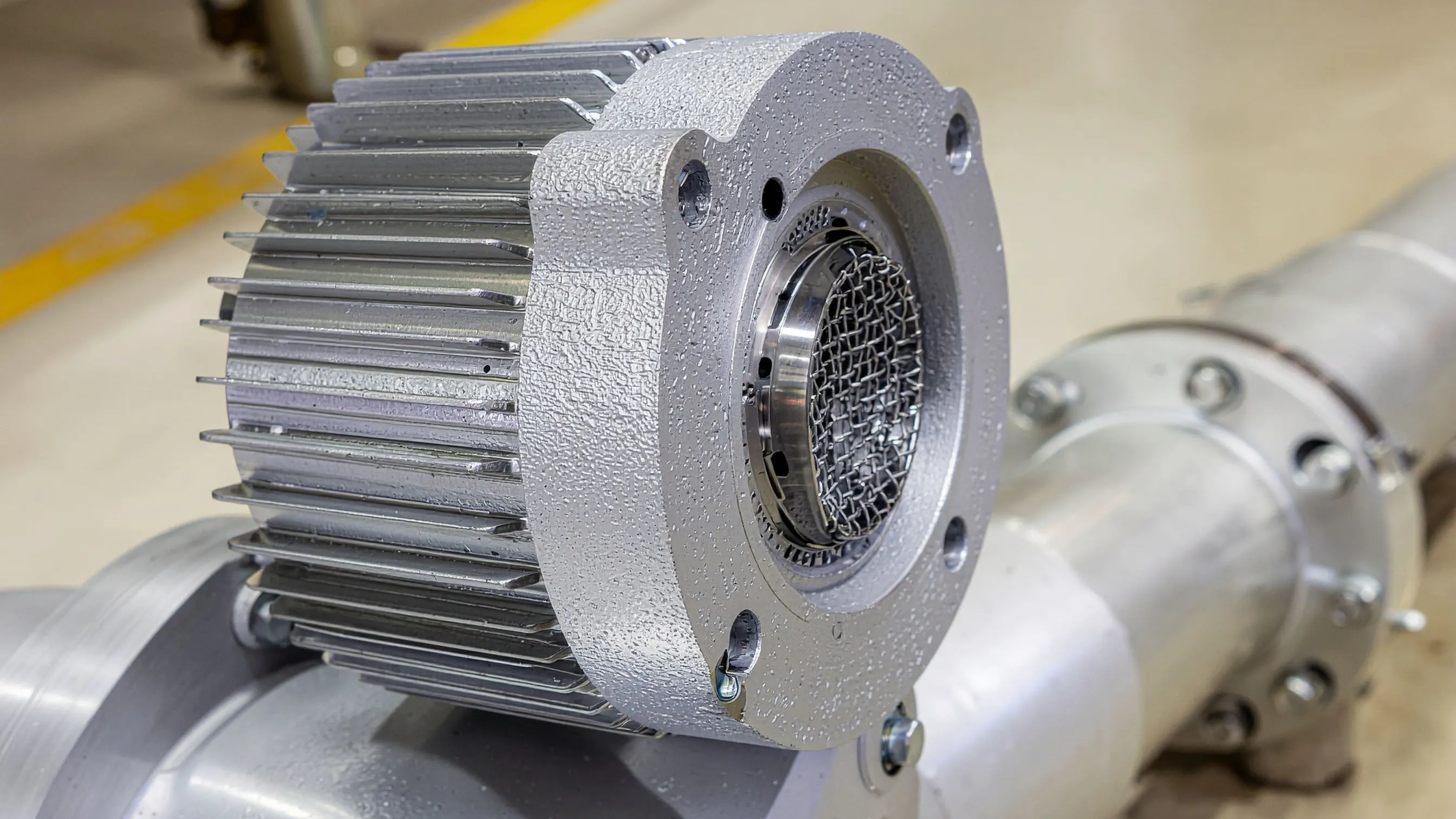
Submersible pumps operate in demanding environments - submerged in water, sewage, or process fluids whilst handling continuous duty cycles that accumulate wear on every rotating and sealing component. Understanding why submersible pumps fail allows heating engineers and facility managers to implement targeted prevention strategies that extend equipment life by years whilst avoiding the cascade of consequences that follow unplanned failure: flooded basements, interrupted heating systems, and emergency repair costs that preventive maintenance would have prevented at a fraction of the expense.
The causes of why submersible pumps fail are largely predictable. Mechanical seal integrity, adequate motor cooling, correct electrical supply quality, operation within design parameters, and quality installation together determine whether a submersible pump achieves its design service life or fails years early. Each of these factors is controllable - the difference between reliable and unreliable submersible pump operation is almost entirely a maintenance and specification discipline rather than an inherent product quality limitation.
Mechanical Seal Failure: The Primary Culprit
Mechanical seals represent the most critical component in submersible pump construction. These precision-engineered assemblies prevent liquid from reaching the motor windings whilst accommodating continuous shaft rotation. The seal faces - typically ceramic against carbon or silicon carbide - maintain contact through spring pressure and hydraulic forces. When mechanical seal failure pump occurs, water enters the motor chamber causing immediate electrical failure and requiring complete motor replacement rather than seal-only remediation.
Mechanical seal failure rarely occurs suddenly. Abrasive particles suspended in the pumped fluid act like grinding paste between seal faces, creating grooves that compromise sealing effectiveness progressively. In heating system drainage applications, magnetite particles from corroding central heating pipework accelerate this wear process significantly - a system without adequate magnetic filtration deposits abrasive iron oxide particles directly onto seal faces with each pump activation cycle. The seal chamber temperature also affects seal life: excessive heat causes elastomer components to harden and crack, whilst thermal expansion alters the critical clearances between mating surfaces.
Early detection of developing mechanical seal failure pump conditions requires monitoring motor insulation resistance values. Readings declining from initial commissioning values indicate moisture ingress developing before catastrophic failure occurs. Slight increases in motor current draw can signal seal friction issues - additional drag on the shaft creating measurable current increase. For Grundfos submersible pumps with double mechanical seal oil chambers, checking the oil chamber condition at each service visit provides direct evidence of outer seal status - emulsified oil confirms water ingress through the outer seal even before external moisture signs appear.
Motor Overheating and Thermal Overload
Motor overheating is central to why submersible pumps fail in applications where cooling conditions are inadequate. Submersible pump motors rely on surrounding fluid for cooling - unlike surface-mounted pumps with fan-cooled motors, submersible units transfer heat through the motor casing into the pumped liquid. When pumps operate with insufficient submersion, this cooling mechanism fails and winding temperatures rise towards insulation damage thresholds within minutes.
Blocked impellers create a similar pump motor burnout prevention challenge through reduced flow rates. The pump continues drawing full current whilst moving minimal fluid, converting electrical energy into heat rather than hydraulic work. Debris accumulation - plastic bags, rags, and fibrous materials - restricts impeller rotation without completely stopping the pump. The motor operates within its thermal protection limits initially, but sustained reduced flow inevitably causes temperature accumulation that protection devices must catch before insulation damage becomes permanent.
Three-phase motors present additional failure modes when operated on single phase due to control gear faults. The motor continues running on two phases, drawing approximately 200% of rated current through the remaining windings. Thermal overload devices may not respond quickly enough to prevent winding damage, particularly if incorrectly sized during installation. DAB submersible pumps incorporate thermal sensors within motor windings, providing early warning before insulation damage occurs. Retrofitting temperature monitoring to existing installations offers similar pump motor burnout prevention at modest cost for critical drainage applications.
Bearing Wear and Shaft Misalignment
Submersible pump bearings operate in sealed oil-filled chambers, protected from the pumped fluid but dependent on lubricant quality for longevity. Oil degradation through oxidation or water contamination - which occurs when the inner mechanical seal fails after outer seal compromise - reduces bearing life dramatically. High operating temperatures accelerate this process: oil viscosity decreases, reducing the protective film between bearing surfaces and allowing metal-to-metal contact that generates rapid wear.
Radial loads from hydraulic forces and axial thrust from impeller operation stress bearings continuously. Operating pumps below 30% of best efficiency point generates radial thrust that exceeds bearing load ratings designed for operation near the duty point. This explains why submersible pumps fail ahead of their design life in installations where the pump is significantly oversized for the actual system, forcing it to operate in the low-flow portion of its curve on every activation cycle.
Vibration analysis provides early warning of pump bearing wear. Bearing defect frequencies appear in vibration spectra long before audible noise develops - baseline vibration measurements during commissioning allow trending across subsequent service visits to identify bearing deterioration months before it would otherwise be detectable. For critical drainage installations where pump failure causes immediate operational disruption, continuous vibration monitoring justifies its cost through prevented failures and planned replacement rather than emergency callout.
Electrical Failures and Cable Damage
Cable entry represents a structural vulnerability in submersible pump construction. The power cable penetrates the motor housing through a sealed gland that must prevent water ingress whilst accommodating cable movement during installation and removal. Poor quality glands or installation damage create leak paths allowing moisture into terminal boxes - once water reaches electrical connections, tracking and earth faults develop rapidly and may not produce obvious external symptoms until catastrophic failure occurs.
Submersible pump cables require specialised construction with water-resistant insulation and mechanical protection. Standard flexible cables lack the necessary moisture barriers and suffer insulation breakdown within months of submersion. Cable damage during installation - particularly nicks in outer sheaths from sharp edges during guide rail entry - creates moisture migration pathways that manifest as winding faults months after the installation was completed and inspected. In plant rooms where submersible drainage pump cables share trunking routes with DHW pumps and heating system cabling, maintaining adequate physical separation prevents the abrasion damage from thermal cycling movement that accumulates over years of operation.
Phase imbalance exceeding 2% causes unequal current distribution between motor windings, with the highest-loaded phase overheating whilst others operate normally. Voltage fluctuations beyond ±10% of nominal stress motor insulation and reduce life expectancy - supply quality problems often manifest as intermittent failures that prove difficult to diagnose without power quality monitoring equipment at the motor supply terminals. National Pumps and Boilers recommends comprehensive motor protection for all submersible installations - motor protection relays monitoring earth leakage, phase loss, and thermal overload conditions provide layers of protection that basic RCDs alone cannot deliver.
Impeller and Volute Casing Damage
Cavitation Pump Damage
Cavitation occurs when local pressure drops below fluid vapour pressure, forming bubbles that collapse against metal surfaces with shock waves that erode material from impeller vanes and volute casings. Cavitation pump damage appears as pitted surfaces with a sponge-like texture - distinctly different from abrasive wear patterns and unmistakeable once recognised during impeller inspection.
Operating pumps above rated flow rate - particularly beyond 120% of the duty point - increases suction-side velocities and lowers local pressures, promoting cavitation pump damage regardless of inlet conditions. Insufficient net positive suction head available (NPSHa) similarly causes cavitation at any flow rate. System designers must ensure NPSHa exceeds pump NPSH requirement by a minimum 0.5 metre margin for reliable operation - a calculation that requires knowing both the available suction head at the pump inlet and the pump's NPSH requirement from its technical datasheet.
Debris Impact and Material Selection
Debris impact damages impellers through direct mechanical force. Hard objects - stones, metal fragments, or solidified scale - strike rotating impeller vanes at high velocity, causing immediate material loss or fatigue cracks that propagate over time. Semi-open impellers prove more vulnerable to impact damage than fully shrouded designs, though they offer better solids-handling capability - a trade-off that must be consciously resolved during pump selection rather than discovered during the first maintenance visit. Lowara manufactures submersible pumps with various impeller materials matched to specific application requirements, with hardened alloy impellers available for applications where abrasive wear is the primary failure driver.
Incorrect Sizing and Application Mismatch
Incorrect pump sizing is a preventable cause of why submersible pumps fail that begins at the specification stage rather than during service. Submersible pumps deliver optimal performance and longevity when operating near their best efficiency point. Running pumps continuously at flow rates below 50% or above 120% of BEP generates excessive hydraulic loads, increases power consumption, and accelerates wear in every wetted component.
System resistance curves change over time as pipework corrodes, isolation valves are partially closed, or strainers block. A pump correctly sized for initial commissioning conditions may operate inefficiently years later if system changes remain unaddressed. Performance monitoring through periodic flow and pressure measurements identifies developing system changes before they push the duty point outside the pump's reliable operating range.
For Wilo commercial submersible pump specifications where system conditions are variable or likely to change with building use, documenting the original duty point and system resistance calculation provides the reference data against which future performance measurements are interpreted.
Ebara performance documentation enables the same trending approach - establishing at commissioning whether changing pump output over time reflects genuine pump wear or system resistance changes requiring independent investigation.
Installation Errors That Shorten Service Life
Guide rail misalignment causes pumps to bind during installation or removal, potentially damaging cables and discharge connections before the pump has even operated for the first time. The pump must slide freely on rails whilst maintaining proper orientation - any binding during commissioning installation indicates alignment problems requiring correction before the pump enters service, not after.
Discharge pipework support significantly affects pump bearing loads. Unsupported pipe weight transfers bending loads to pump discharge flanges, creating moments that stress bearings and shaft seals throughout the pump's operational life. Supporting discharge pipework independently from the pump body eliminates these additional loads that were never included in the pump's design stress calculations.
For pump valves in the discharge line - non-return valves, gate valves, and any pressure-sustaining devices - correct sizing and support prevent the additional head losses and mechanical loads that contribute to the operating conditions that explain why submersible pumps fail earlier than their design life predictions suggest.
Preventive Maintenance Protocols
Routine inspection schedules based on operating hours and application severity prevent most premature failures. Quarterly inspections suit most drainage installations, with monthly checks for critical or severe-duty applications. Inspection protocols including insulation resistance testing, visual examination for leaks or damage, and float switch operation checks address the majority of developing faults before they cause failures.
Performance monitoring through flow rate, discharge pressure, and power consumption measurements identifies gradual degradation patterns that distinguish wear-related performance changes from sudden failures requiring emergency response. Trending these parameters over multiple service visits reveals patterns that predict maintenance requirements - increasing current draw at constant flow rate points to mechanical wear; declining flow rate at constant current points to hydraulic efficiency loss from impeller wear or system resistance increase.
Conclusion
Submersible pump failures stem from predictable causes that proper selection, installation, and maintenance practices prevent. Mechanical seal integrity, adequate cooling, correct electrical supply, operation within design parameters, and quality installation together determine whether pumps achieve their design life. Understanding why submersible pumps fail allows engineers to implement targeted prevention strategies that deliver reliable service and minimise lifecycle costs across drainage, dewatering, and heating system applications.
For professional assessment of submersible pump installations or guidance on preventive maintenance programmes addressing the specific failure modes most relevant to your applications, Contact Us to discuss your requirements with engineers experienced in submersible pump failure analysis and prevention.